Construction sites are starting to use fence-mounted sensors, cameras with video analytics and GPS trackers on machinery. None of these replaces a physical barrier. The fence stops the intruder; the electronics tell you someone is trying to get past it. So we start with the basics and treat technology as a second layer.
A solid barrier comes first
Polish regulations require a site fence at least 1,5 m high. But regulations only set the minimum. Real protection against theft comes from the details:
- panels with a tight mesh, e.g. ANTICLIMB with a 43 × 262 mm aperture, which are hard to climb,
- TEMPOFOR F2SM and F3 panels, where the vertical wires project above the top frame tube and form an extra deterrent,
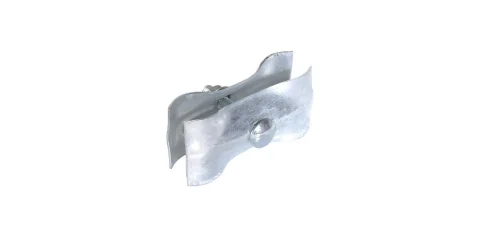
- a coupler at every panel joint, so no one can quietly lift out a single panel,
- gates locked outside working hours,
- lighting of walkways and danger zones, which Polish rules require anyway.
Fence sensors
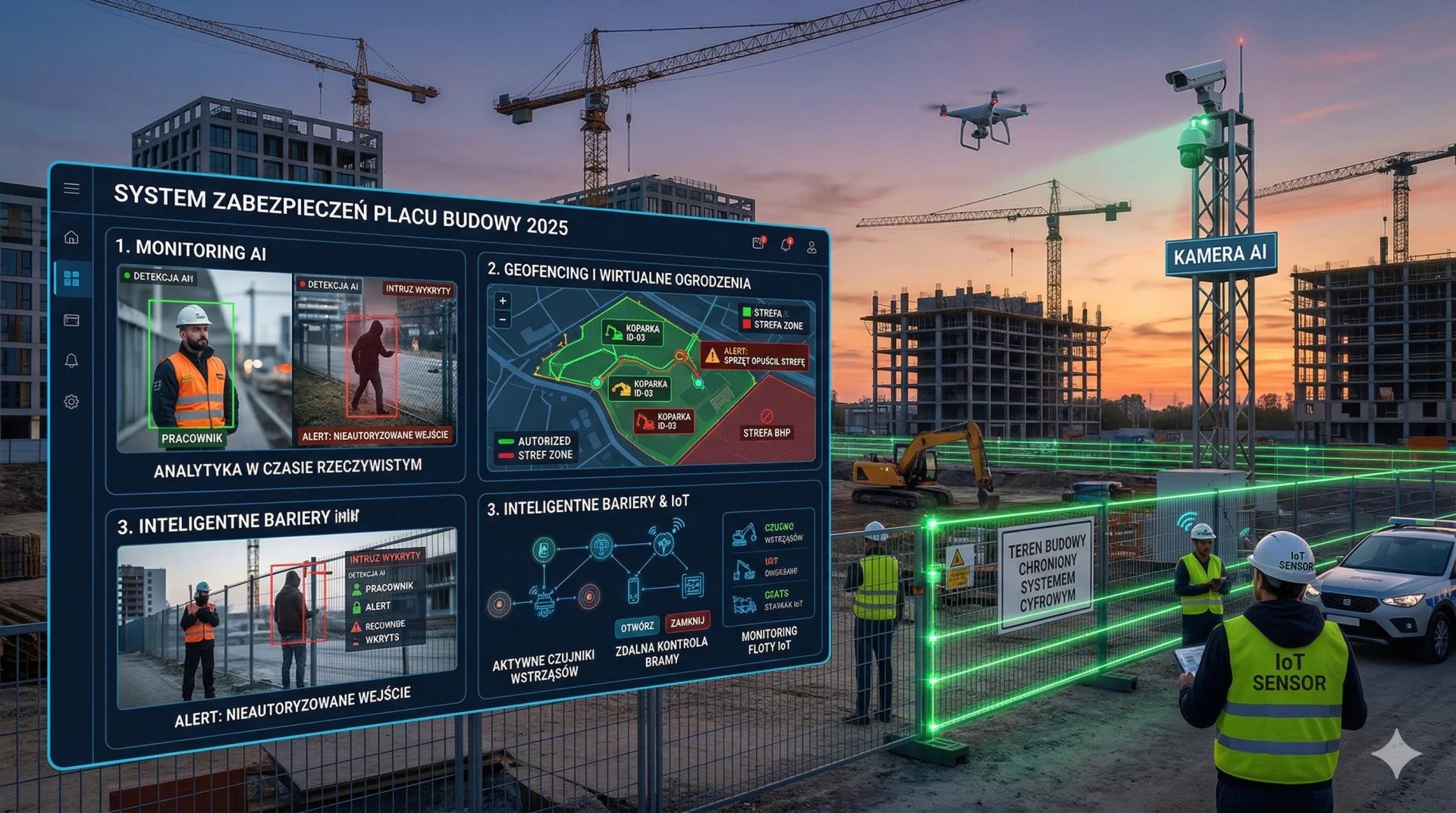
Vibration and movement sensors are mounted on the panels. They react when someone shakes a panel, cuts the mesh or tries to lift a panel out of its foot. The alert goes to a monitoring centre or to the site manager’s phone, together with the location of the breach. Linked to floodlights and a camera, a detected movement immediately lights up and records the scene.
Cameras with video analytics
Conventional CCTV records everything, and someone has to watch it. Systems with video analytics classify movement themselves: they can tell a person from an animal or a branch moving in the wind. The operator gets an alarm only when a threat is likely, together with a video clip. Some systems can broadcast a voice warning through a loudspeaker to a person on site. This lets one person watch over a larger area.
GPS on machinery and virtual zones
Geofencing means drawing virtual boundaries on a map. A tracked machine that crosses them triggers an alarm. This way you can spot a plate compactor leaving the site after hours or an excavator approaching a power line. If a stolen machine has a transmitter, its route can be tracked. Virtual zones complement the physical fence: the fence stops passers-by, while the tracker monitors machine movements inside the site.
Sensors in site equipment
Sensors are also fitted to gates, generators and cabins. The gate reports opening and closing; the generator reports its fuel level and running hours. The site manager sees the status of the site in a single app and no longer has to drive out in the evening to check the padlocks. Logged events also help in disputes with an insurer or a subcontractor.
When it pays off
The cost covers the equipment, a subscription, a stable internet connection on site, staff training and maintenance. Electronics are more easily damaged than a steel gate. Whether it pays off depends on how much you stand to lose. On a large urban site with expensive machinery and contractual penalties for delays, a monitoring system is cheap compared with a week’s standstill after a theft. For a single detached house, a good fence, a lockable gate and lighting are usually enough.