


Bollards & Posts
Bollards & Posts: steel, cast iron, flexible and self-righting bollards that block vehicle access, mark parking bays and protect footways.
-
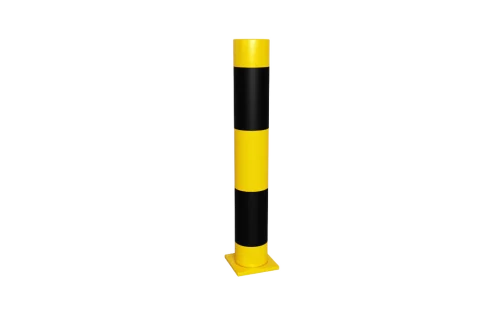
Bolt-Down Steel Bollard U-12c
30,07 € excl. 23% VAT36,99 € incl. 23% VAT -

Cast Iron Bollard Apollo
Request a quote -
Cast Iron Bollard Armanie
Request a quote -
Cast Iron Bollard Artemida
Request a quote -
Cast Iron Bollard Bolero
Request a quote -
Cast Iron Bollard Ceres
Request a quote -
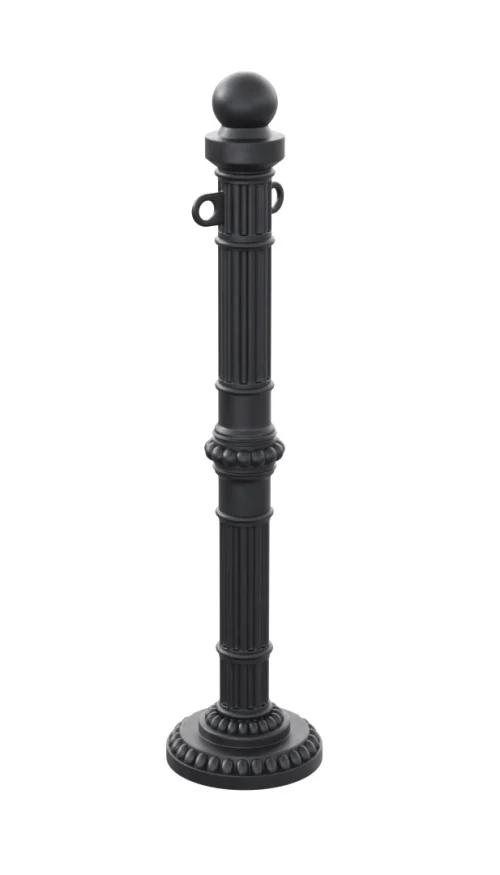
Cast Iron Bollard Dionizos
Request a quote -
Cast Iron Bollard Largo
Request a quote -
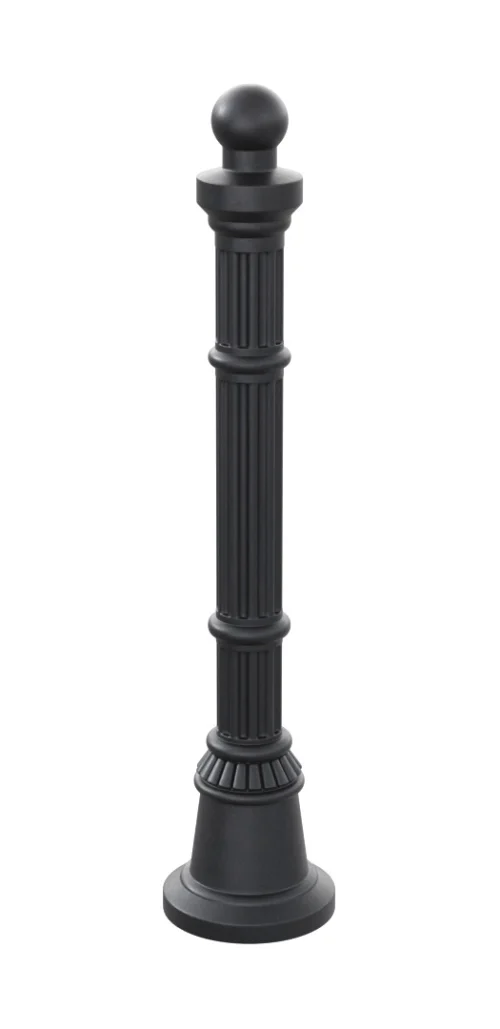
Cast Iron Bollard Neptun
Request a quote -
Cast Iron Bollard Ottawa
Request a quote -
Cast Iron Bollard Rapsod
Request a quote -
Cast Iron Bollard Tristan
Request a quote -
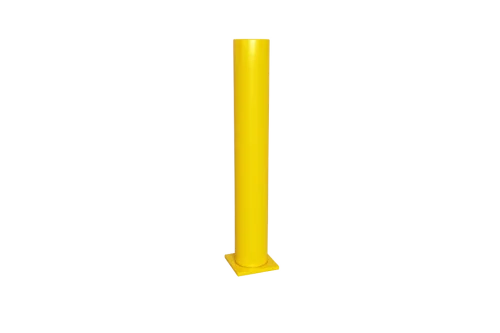
Concrete-In Steel Bollard U-12c
29,26 € excl. 23% VAT35,99 € incl. 23% VAT -
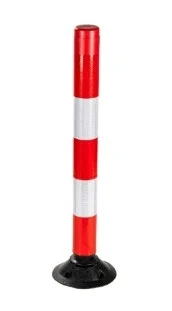
Flexible PVC Bollard 100 cm
17,88 € excl. 23% VAT21,99 € incl. 23% VATSelect options This product has multiple variants. The options may be chosen on the product page -
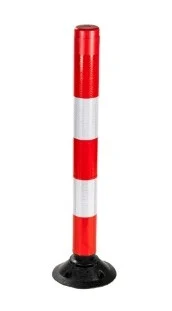
Flexible PVC Bollard 75 cm
Request a quote -
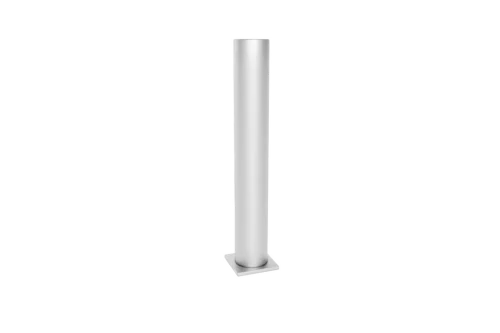
Fold-Down Steel Bollard U-12c
58,53 € excl. 23% VAT71,99 € incl. 23% VAT -
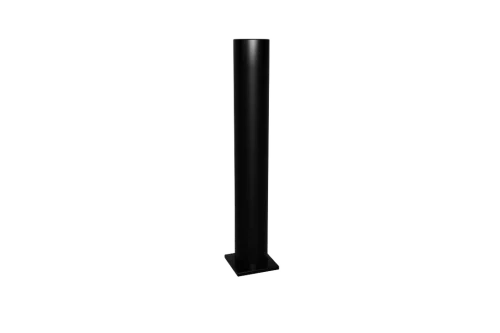
Parking Post
Price range: 29,26 € through 99,99 € excl. 23% VAT Price range: 35,99 € through 122,99 € incl. 23% VATSelect options This product has multiple variants. The options may be chosen on the product page -
Plastic Chain
171,54 € excl. 23% VAT210,99 € incl. 23% VATSelect options This product has multiple variants. The options may be chosen on the product page -
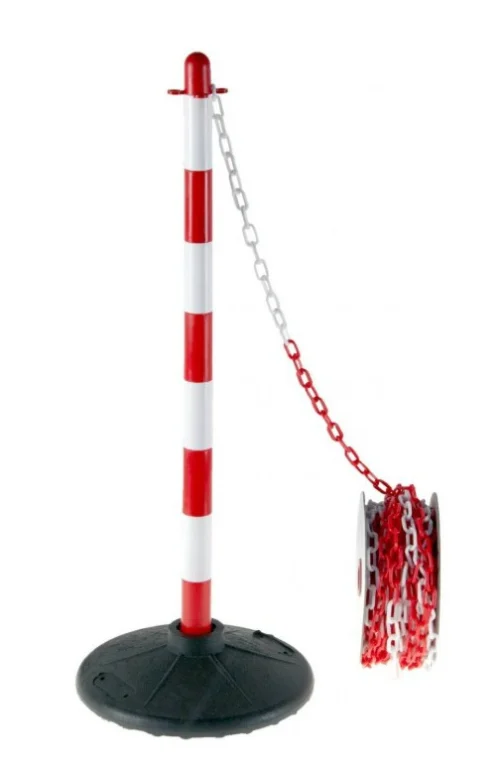
Plastic Chain Post 90 cm
171,54 € excl. 23% VAT210,99 € incl. 23% VATSelect options This product has multiple variants. The options may be chosen on the product page -
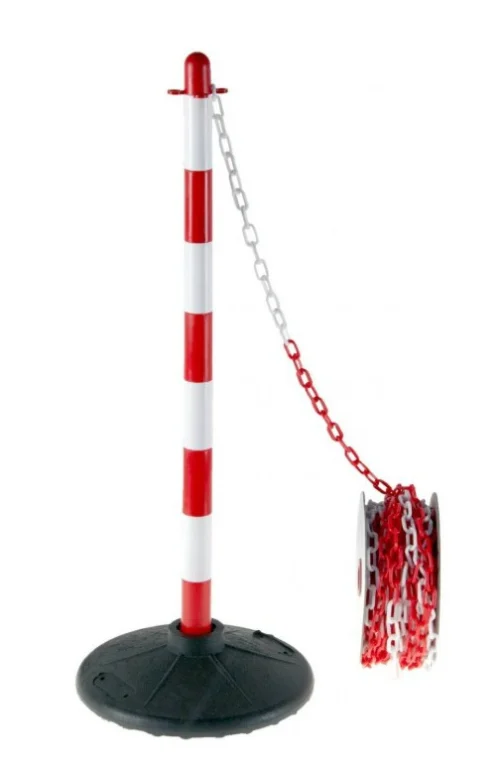
Plastic Chain Post Base 3 kg
171,54 € excl. 23% VAT210,99 € incl. 23% VAT -
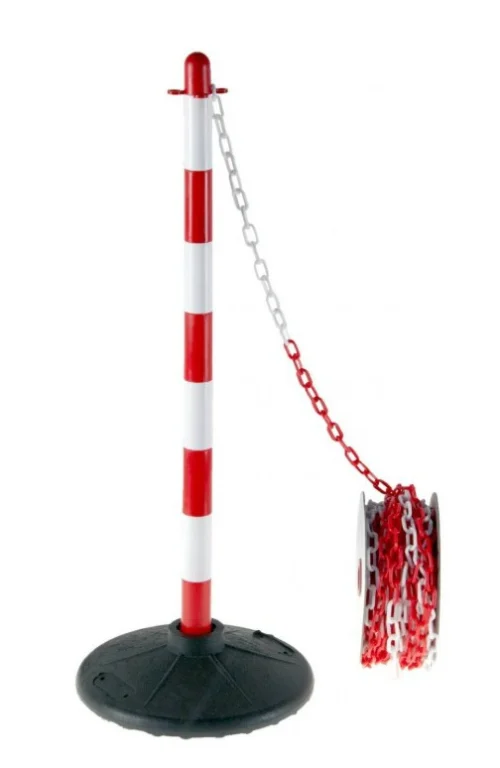
Plastic Chain Post Kit: 2× Post + 2× Base + 2m Chain
30,07 € excl. 23% VAT36,99 € incl. 23% VAT -
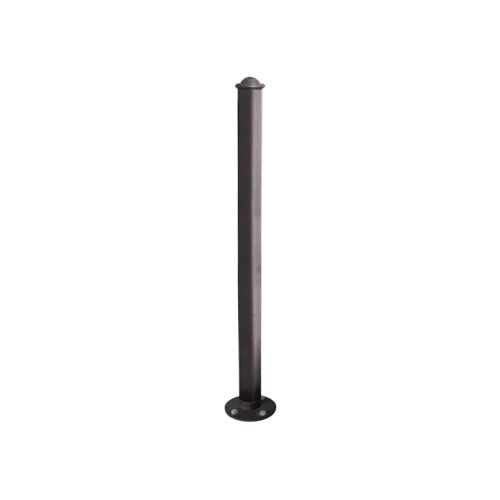
Self-Righting Bollard Amortichoc
171,54 € excl. 23% VAT210,99 € incl. 23% VATSelect options This product has multiple variants. The options may be chosen on the product page -
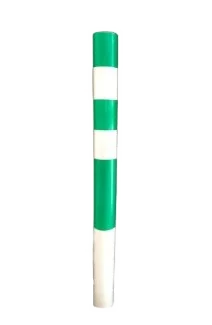
Verge Marker Post U-2
28,45 € excl. 23% VAT34,99 € incl. 23% VAT
Bollards & Posts
Bollards & Posts for streets, car parks and sites
Bollards manage traffic by physical means. They block vehicle access to footways and pedestrian zones, mark out parking bays, protect shop windows and building entrances, and organise traffic on company premises. Posts do lighter work: they mark the edge of a road at a junction or hold a chain across a temporary route.
The range covers fixed, fold-down and self-righting versions in steel, cast iron and plastic. Most street bollards in this category are galvanised steel tube with a powder coat and reflective film. Cast iron models serve heritage and town-centre schemes, where appearance matters as much as protection.
Bollards and marker posts in this category
Choose the subcategory by the job the bollard has to do:
- Steel Bollards U-12c: 121 mm galvanised tube, bolt-down or fold-down at 80 cm, concrete-in at 120 cm.
- Parking Posts: concrete-in posts in box-section or standard round tube that protect bays and footways.
- Self-Righting Bollards: the Amortichoc spring mechanism inside a steel tube returns the bollard upright after a hit.
- Flexible Bollards: PVC with reflective bands, 75 or 100 cm high, working from -40°C to +60°C.
- Plastic Chain Posts: bright PVC posts on bases, with plastic chain for quick temporary lines.
- Cast Iron Bollards: decorative models for historic streets, squares and promenades.
- Verge Marker Posts U-2: white and green plastic posts that mark a road exit at a junction.
Steel bollards: tube, finish and height
Steel bollards start as galvanised tube and receive a powder coat, often with reflective film on top. Round parking posts come in 48.3 mm, 60.3 mm and 76.1 mm diameters; the heavier U-12c uses 121 mm tube. Concrete-in round posts are 1200 or 1500 mm long, bolt-down versions stand 800 or 1100 mm high, and fold-down posts 1100 mm.
Colours follow the setting. Red and white or yellow and black warn drivers in car parks and on industrial sites. Black with a decorative stripe, or a shade from the RAL chart, suits streets and entrances where the bollard is part of the street furniture.
Fixing: concrete-in, bolt-down or fold-down
Concrete-in bollards are set in a foundation and give the most solid, permanent barrier. Bolt-down bollards stand on a base plate, often with four holes, and are fixed with anchors; they go in fast and can be moved later. Fold-down bollards tilt flat so you can open a route for service, delivery or emergency vehicles, then raise them again to close it.
Flexible and self-righting bollards take a different approach: rather than stopping a vehicle, they give way on impact and return upright. That limits damage to the vehicle and to the bollard, and cuts replacement costs on routes where knocks are frequent. The Amortichoc can lean up to 45° before its spring brings it back.
Where street bollards are used
Typical locations include pavements and pedestrian zones in town centres, school surroundings, cycle paths, car parks and underground garages, entrances to shops and public buildings, and yards on industrial sites. Bollards also shield street equipment: lamp posts, hydrants, pay machines and electric vehicle charging points. In historic districts, cast iron models protect the space and keep the character of the street, and some carry chain between them to close off a square or a parking area.
Temporary lines and road marking
Not every job needs a fixed bollard. Plastic chain posts on 3 kg bases set out queues, work zones and event routes, and the whole set fits into a small car. Flexible PVC bollards fix with three bolts or on a dedicated base and separate lanes for a limited time. Verge marker posts U-2 are set in concrete beside the carriageway, where their reflective film shows drivers the line of the road at night.
Frequently asked questions
How are bollards fixed?
It depends on the model: set in concrete, bolted to the surface through a base plate, or fitted as a fold-down unit that opens the route when needed. Each product's technical data states its fixing method.
What is the difference between flexible and self-righting bollards?
Flexible bollards are PVC and bend on impact. Self-righting bollards are steel tube with an internal spring that pulls them back upright.
Which bollards suit historic streets?
Cast iron bollards, or steel bollards in black with a decorative stripe.
Can steel bollards be lowered to open a route?
Fold-down models tilt flat to let service or emergency vehicles through and are then raised again.