


Welded Mesh Panels
Welded Mesh Panels from spot-welded steel wire: with or without edge wire, hot-dip galvanised, plus open steel flooring and stair treads.
-
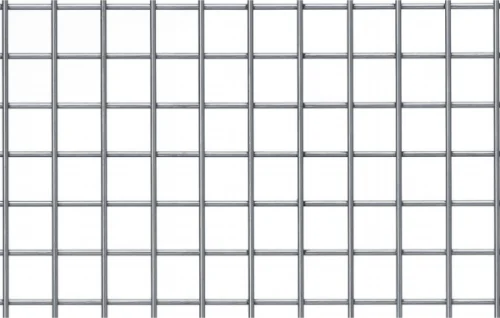
Hot-Dip Galvanised Welded Mesh Panel
Request a quote -
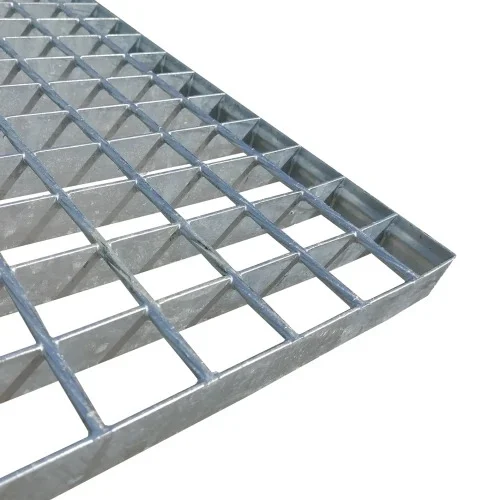
Open Steel Flooring Panel
Request a quote -
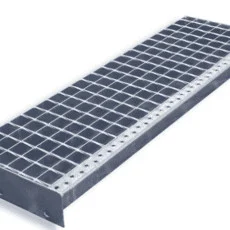
Steel Stair Tread
Request a quote -
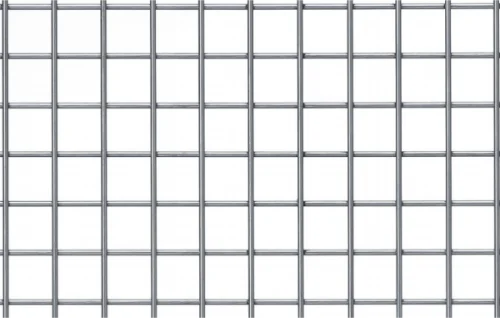
Welded Mesh Panel with Edge Wire
Price range: 15,44 € through 18,69 € excl. 23% VAT Price range: 18,99 € through 22,99 € incl. 23% VATSelect options This product has multiple variants. The options may be chosen on the product page -
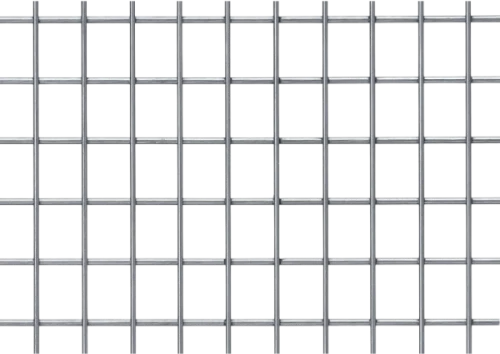
Welded Mesh Panel without Edge Wire
Price range: 23,57 € through 28,45 € excl. 23% VAT Price range: 28,99 € through 34,99 € incl. 23% VATSelect options This product has multiple variants. The options may be chosen on the product page
Welded Mesh Panels
Welded Mesh Panels: rigid grids of spot-welded wire
Welded wire mesh is made from steel wires laid out in a grid and spot-welded at every crossing. The result is a rigid, durable panel with a high strength-to-weight ratio. Unlike woven mesh, it does not unravel when you cut it and it spreads loads more evenly. It is also easy to cut, form and combine with other construction materials.
Weldmesh panels differ in wire diameter and mesh size. Square apertures are the most common because they distribute loads evenly across the sheet. Across the range, mesh sizes run from 25×25 mm to 150×150 mm and wire diameters from 3 to 6 mm, so you can pick a version to suit each project.
Four product groups
The category is split by edge finish, coating and purpose. Each group has its own page with the full list of versions:
- Welded mesh panels with edge wire: reinforced edges for extra stability and rigidity, used for balustrades, partitions and protective elements
- Welded mesh panels without edge wire: easier to cut and form, suited to cages, shelving and structures with irregular shapes
- Hot-dip galvanised welded mesh panels: thicker 4–6 mm wires and larger 100×100 to 150×150 mm apertures for applications that demand exceptional strength
- Open steel flooring and stair treads: KOZ welded grating with a 34×38 mm mesh, hot-dip galvanised, for walkways, access routes and platforms
Mesh sizes and sheet formats
Standard sheets range from 1000×2000 mm to 2000×3000 mm, and sheets can also be adapted to individual requirements. Panels with edge wire are produced in formats from 1000×2400 mm to 1350×2400 mm, with apertures from 25×25 mm up to a narrow 75×15 mm slot and 3 or 4 mm wire. Panels without edge wire come as sheets from 1000×2000 mm to 2000×3000 mm, with apertures up to 150×150 mm and wire up to 6 mm.
The hot-dip galvanised panels sit at the heavy end of the range, with 4–6 mm wire and 100×100 or 150×150 mm apertures for structures where strength matters most. Open steel flooring uses a different construction: load-bearing flat bars from 30×2 to 50×5 mm welded to cross bars, with a 34×38 mm mesh.
Galvanised wire mesh panels: coatings and service life
Service life depends mainly on corrosion protection. Weldmesh can be electro-galvanised, hot-dip galvanised or given a ZnAl coating, and stainless steel versions exist for the most demanding environments. Depending on the protection, SONTO estimates the service life of outdoor mesh at 50 to 120 years.
Hot-dip galvanising forms a thick, resistant zinc layer and copes best with moisture, salt and the aggressive chemicals found in industrial and coastal areas. To keep galvanised wire mesh panels in good condition, clean them regularly and check the coating, above all at the welds where the wires are joined.
Where welded mesh is used
Welded mesh works in construction, industry, logistics, animal keeping and architecture. On building projects it serves as protective balustrades, partitions and reinforcing elements. Industry values it for durability and easy adaptation: it guards machines, separates storage space and forms durable racks and frames. In warehouses, mesh partitions let staff identify stored goods at a glance. In animal keeping, cages, aviaries and pens are built from it, and the right wire diameter and aperture keep the animals safe. Architects use it for balustrades, fences and decorative installations in modern, minimalist designs and combine it with timber, glass and steel. Typical uses:
- protective balustrades, partitions and machine guards
- shelving, cages, pens and aviaries
- structural reinforcement and technical fencing
- open steel flooring for walkways and platforms
Frequently asked questions
How does welded mesh differ from woven mesh?
Spot welding produces a rigid grid that does not unravel when cut and spreads loads better than woven mesh. It is also easier to combine with other materials.
Should I choose panels with or without edge wire?
Edge wire reinforces the panel edges and adds rigidity, which suits balustrades and partitions. Panels without edge wire are easier to cut and form into cages, shelving and irregular shapes.
Are custom sheet sizes available?
Standard sheets run from 1000×2000 mm to 2000×3000 mm. Sheets can also be adapted to individual requirements.
Which coating is best outdoors?
Hot-dip galvanising gives a thick zinc layer that handles moisture, salt and chemicals well. For the harshest environments, stainless steel weldmesh is an alternative.